Reflecting on the themes in her most recent book, Palesa Mathibe shares her thoughts on the importance of knowing your weight
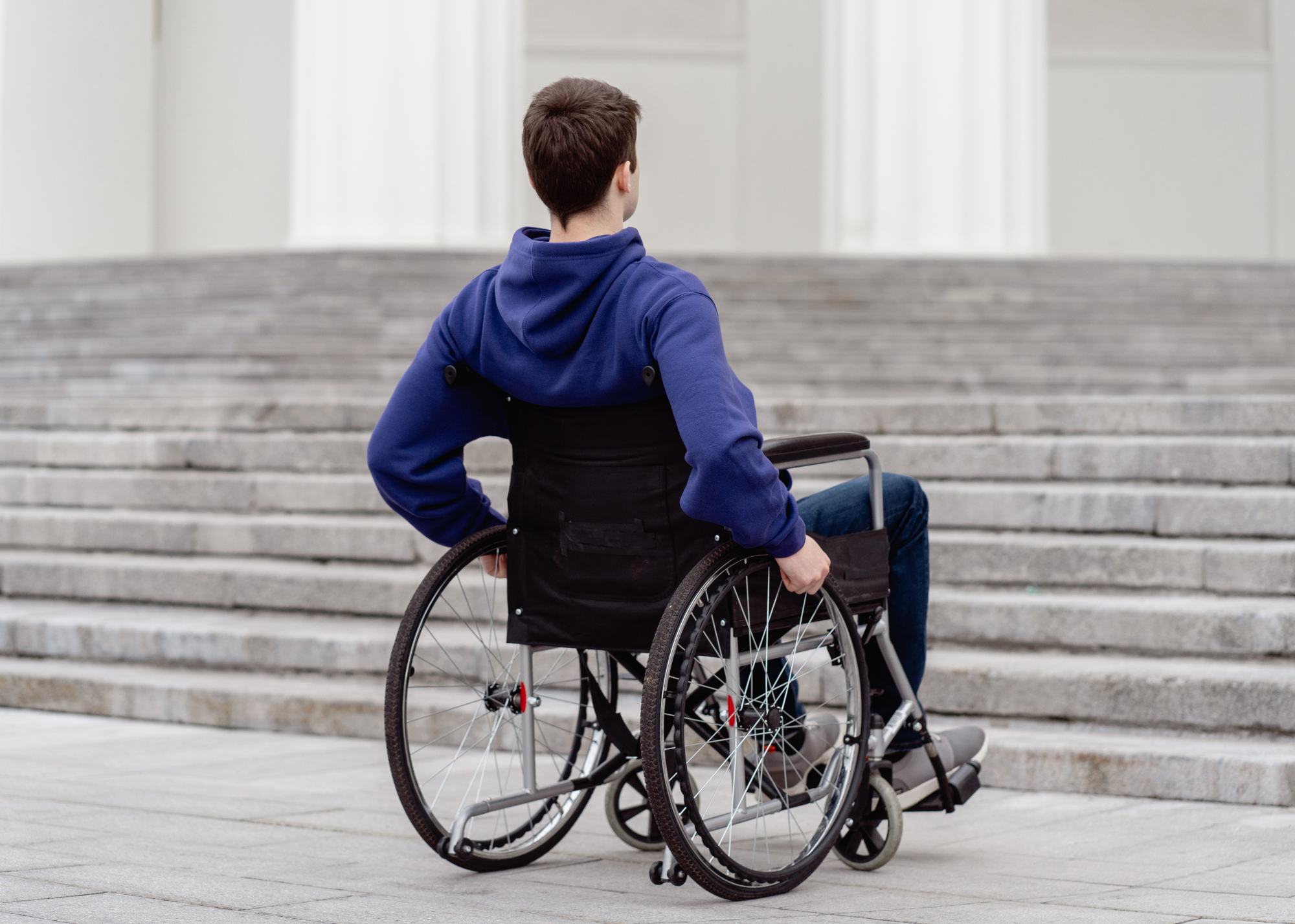
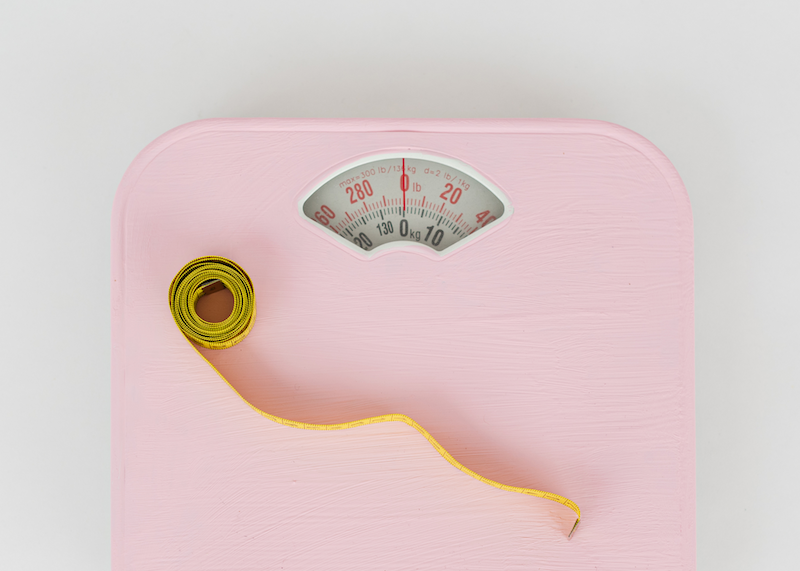
Following her own battles with accessing accessible scales, Palesa Mathibe wrote The Weight is Over, a fictional retelling of her experience that portrays a very real struggle that many wheelchair users face.
“Besides for the obvious reasons of what we see with the naked eye, [weighing in is] useful for healthcare purposes as regular weight checks are crucial for health monitoring and adjusting medication in order to make informed health decisions,” author Palesa Mathibe reflects.
For wheelchair users, this is particularly important as the lack of movement increases the chances of becoming obese and battling resulting conditions like Type 2 Diabetes, heart disease and stroke.
Prior to her injury, Palesa paid little attention to her weight. When she tried to donate blood, she was refused as she was considered “underweight”. This made her realise the important role weight plays in her over health.
After her accident, she realised how inaccessible most scales are. This inspired her to advocate for better inclusion and resources for wheelchair users. Her advocacy work includes educating medical staff on disabilities.
“Clinic staff will undoubtedly be more confident when dealing with persons with disabilities, not because they would know everything, but because they would know where to begin and what questions to ask,” she shares. Better informed medical practitioners allow for better care, but also gives the patient with a disability more autonomy over their body.
In her own experience, Palesa was told that she would have to have a caesarean to deliver her baby despite what her own research said. Fortunately for her, she was able to birth her child naturally while the doctor was still on their way.
“Persons with disabilities tend to be denied freedom of choice,” she shares. “I don’t deny medical advice. I just urge due diligence. This will raise confidence in healthcare facilities, showing that they are cognisant of the various bodies that they can be presented with; are passionate about learning and educating others; and confirming that awareness and inclusion are at the forefront in such spaces.”
Palesa advises others with disabilities to learn as much about their condition to be better advocates of their own health: “Research and learn as much as you can about the condition. This awareness plays a vital role in gearing the mind to acceptance. Then share the knowledge with those around you as that assists greatly in empowering others to understand how to help you better.”
“Look out for communities of persons who are in the same situations, which is the best space to share concerns and experiences; and learn firsthand how to navigate these new changes.”
For more resources, to purchase a copy of her book, or to continue conversation, reach out to Palesa at 777wordpower@gmail.com.