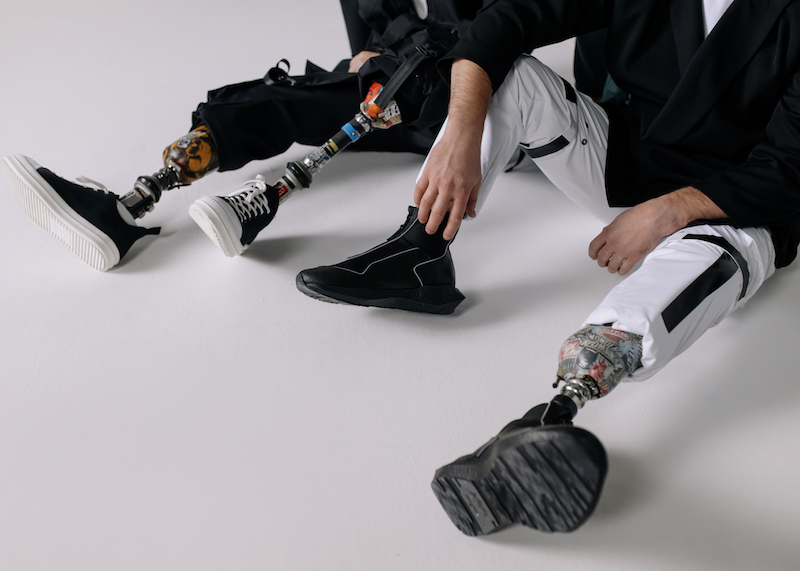
Seasoned amputees can be profoundly beneficial in helping newly amputated individuals navigate their new reality
In our practice, we have often seen the benefits of pairing a seasoned amputee with someone who has been newly amputated. When someone undergoes an amputation, the experience can be physically, emotionally and psychologically overwhelming. In those early days, uncertainty often outweighs hope.
This is where the presence of a seasoned amputee can be profoundly beneficial. Speaking with someone who has already navigated the same journey offers something that even the best medical professionals cannot fully provide: Lived understanding.
A seasoned amputee serves as a real-life example that recovery, adaptation and a fulfilling life are possible after limb loss. They can answer practical questions about prosthetics, pain management, mobility and daily routines in ways that feel relatable and honest. Rather than abstract reassurance, the newly amputated person sees tangible proof of resilience. This can reduce fear, ease anxiety, and replace feelings of isolation with a sense of belonging.
Equally important is the emotional connection. A veteran amputee understands the grief, frustration and identity changes that often follow amputation. Their empathy is rooted in experience, not theory, which helps build trust quickly. This peer-to-peer support often encourages the new amputee to express concerns they might hesitate to share with family or clinicians.
Such meetings can also inspire motivation. Seeing someone who has returned to work, sports, hobbies or family life demonstrates that amputation is not the end of independence or purpose. In many cases, this interaction becomes a turning point, shifting the new amputee’s mindset from loss to possibility. Ultimately, these conversations foster hope, confidence and the belief that a meaningful future is still well within reach.
So yes! In our practice we will continue the strategy of amputees accidently bumping into each other and sharing a moment together in the waiting room, because we know this is one of the primary sources of hope. Sometimes hope is all you need!