While encouragement is important, becoming reliant on it can be detrimental to our confidence
Be honest now, who does not enjoy a good pat on the back? Someone says, “Well done!”, “You handled that beautifully”, or “I am proud of you”, and suddenly your step feels a little lighter. Your shoulders sit a bit straighter. Even grown adults, who pretend they have life all sorted out, still quietly enjoy a bit of praise. Why?
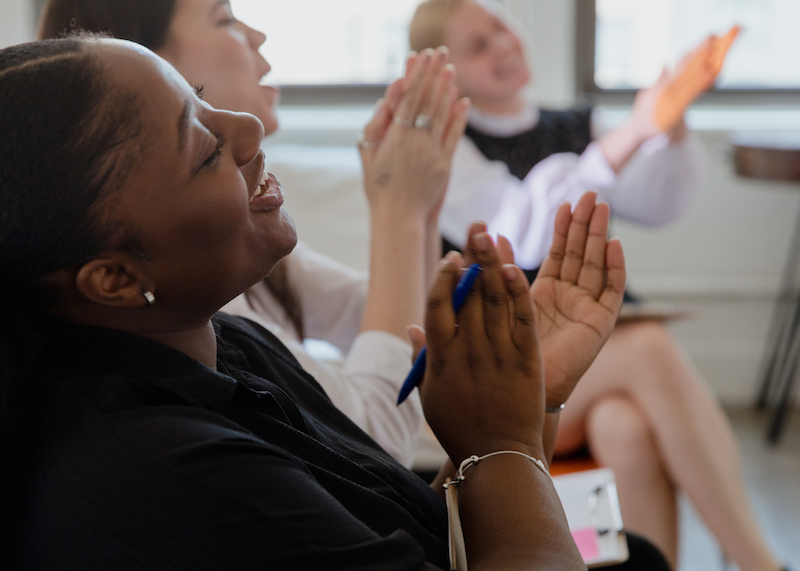
Because, whether we admit it or not, we humans are wired for affirmation. From the moment we are born we seek approval. A baby smiles and waits for a smile back. A toddler proudly holds up a messy drawing for applause. At school we chase stars, certificates and recognition. Later in life we seek promotions, compliments, appreciation, and yes, even the odd social media “like”.
At our core, most of us want to know one simple thing, “Do I matter?”. Praise reassures us that we do. Psychologists tell us that affirmation feeds our sense of belonging and self-worth. It tells us we are accepted, valued and perhaps even needed. In many ways, encouragement is emotional fuel. A kind word at the right moment can lift a person who is hanging on by their fingertips.
But, there is another side to this story. What happens when we begin needing praise like a plant needs water? That is where things can become a little tricky.
Somewhere along the line, many of us unknowingly become dependent on outside approval. We begin measuring our worth by what others think of us. If people clap, we feel good. If nobody notices us, we feel invisible. Criticism suddenly hurts more than it should. Silence feels like rejection. Sound familiar?
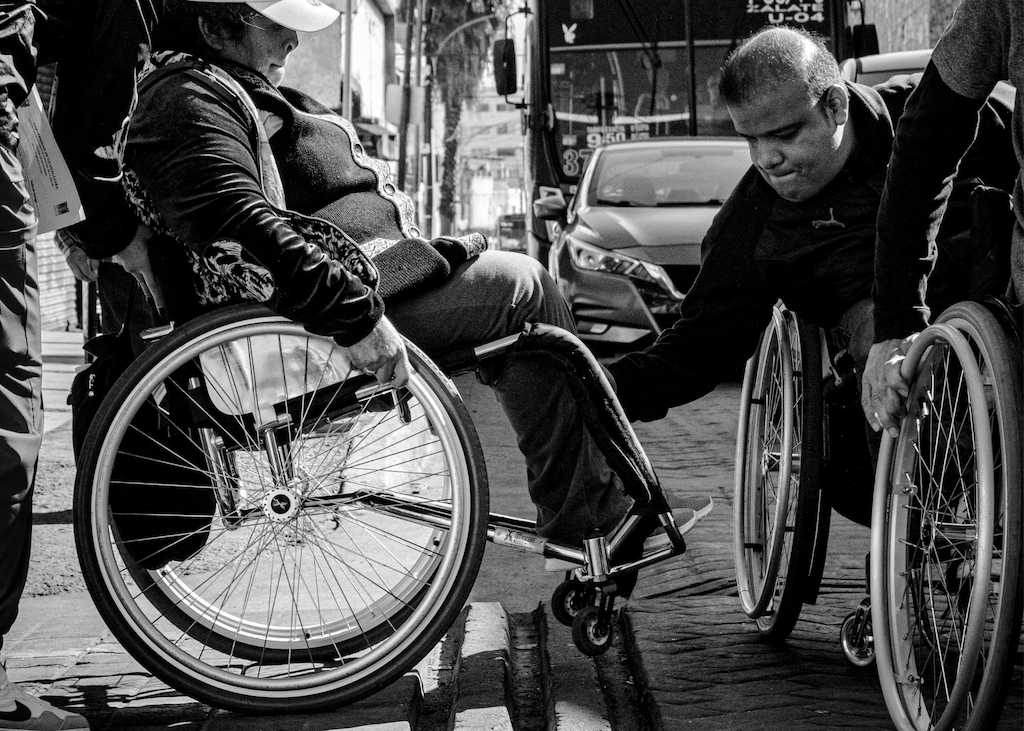
Now, let me gently add another layer to this conversation: Disability. For many people with disabilities, this issue becomes even more complicated. When disability enters your life, especially suddenly, it often steals more than movement or physical ability. It can rob you of independence, confidence, identity, purpose, employment and sometimes even relationships.
The person who once fixed everything, worked full time, provided for the family, played sport or simply felt capable, may suddenly feel reduced to what they can no longer do. That loss runs deep.
As a paraplegic myself, I know this road only too well. There are days when disability whispers ugly lies into your ear: “You are not useful anymore”; “You are a burden”; “You are less than you once were”. And so, praise becomes powerful.
A compliment can feel like oxygen. Someone saying, “You inspired me”, or “You handled that so well”, can momentarily refill an empty emotional tank. There is nothing wrong with that. We all need encouragement. In fact, many people with disabilities are starving for genuine affirmation because the world often notices disability before ability.
But here comes the important question … How do we know when healthy encouragement has quietly become emotional dependence? Here are a few clues worth reflecting on.
- Do you feel flat or disappointed when nobody notices your efforts?
- Does criticism or rejection hit you harder than they should?
- Do you constantly seek approval before making decisions?
- Do you feel valuable only when someone praises you?
- Do you often find yourself trying to please everyone, sometimes at the cost of your own wellbeing?
If you answered “yes” to some of these, do not panic. You are human. Most of us have been there. The good news is this can change. Here is where growth begins.
The answer is not to stop appreciating praise. We all need encouragement. Even the strongest among us occasionally need someone saying, “Keep going, you have got this”.
The shift is learning to move from external applause to internal acknowledgement. In simple terms, learning to clap for yourself. That does not mean arrogance. It means recognising progress.
Maybe today you managed pain better than yesterday. Maybe you finally sent off that CV. Maybe you got out of bed when depression wanted you to stay under the blanket. Maybe you simply survived a difficult day … Celebrate that. Growth happens when we stop waiting for permission to feel proud of ourselves.
Another important lesson is this, stop comparing your life to someone else’s highlight reel. Comparison is one of the fastest ways to destroy confidence. Your journey is your journey. Someone else may be running while you are relearning how to stand emotionally, financially, or physically. That is okay. The only person you should ever compare yourself with “is who you were yesterday”.
Ask yourself this question regularly: “Am I growing, or am I simply glowing in borrowed praise?” There is a difference. Glow fades when applause stops. Growth stays with you.
Yes, affirmation matters. Praise can heal wounds we do not speak about. Encouragement can pull a person back from the edge of giving up. Especially after disability, those words can matter more than most people realise.
But true confidence begins quietly, inside. It starts the day you can look in the mirror and honestly say, “I am not where I want to be yet, but I am proud of how far I have come”. Now that, my friends, is growing, not glowing!