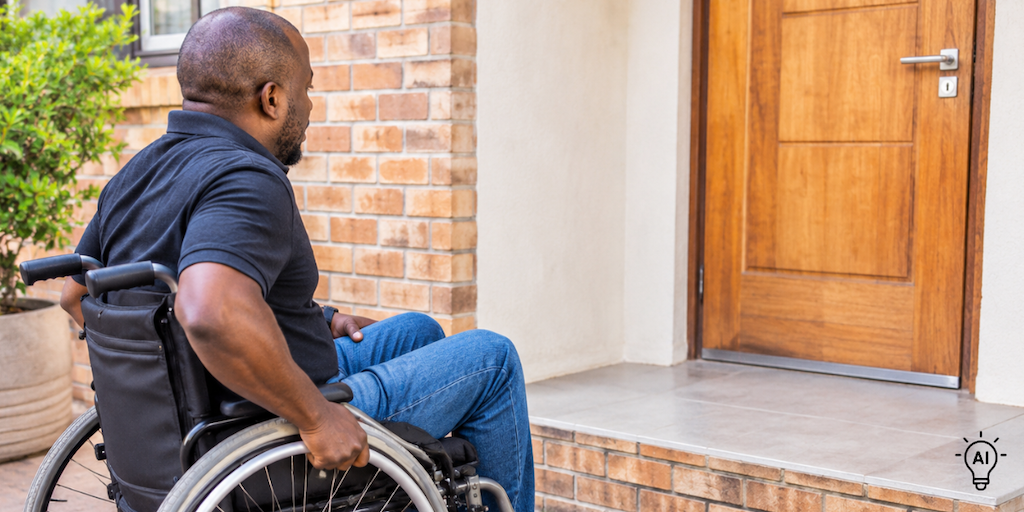
You’ve got the job. You have the qualifications, you’ve passed the interview and you’re ready to start on Monday. Then you discover you can’t board the bus that takes you to work. Where, exactly, did your equal opportunity end?
This Disability Rights Awareness Month (DRAM), I want South Africans to ask who is responsible for removing the barriers that keep people with disabilities out of classrooms, workplaces and public life. We have spent years talking about inclusion. It’s time to judge our progress by what people can actually do: Get to school, earn a living, start a business and take part in the decisions that shape their lives.
Inclusion starts in the classroom
By the time a young person with a disability sits down for a job interview, years of decisions have already shaped their chances. Could they get to school? Could they use the classroom and the toilets? Did they have learning materials they could read, teachers who knew how to support them and a fair chance to show what they knew in an exam?
South Africa set out its vision for inclusive education in 2001. Yet families still face inaccessible schools, long waiting lists for specialist placements and a shortage of trained teachers and learning support. In rural areas, the lack of accessible scholar transport can put even a suitable school out of reach.
We need to identify children’s support needs early and provide the tools they need, from hearing aids and communication devices to Braille materials and sign language interpretation. That commitment must carry through to universities, TVET colleges and vocational training. Employers can help turn those qualifications into careers by working with colleges and training providers to offer practical experience and routes into skilled work.
Here’s a thought experiment. Imagine moving learners from special schools onto mainstream campuses in their communities with specialist teachers, assistive devices and accessible facilities already in place. Imagine what children would learn about one another by sharing a classroom, a lunch break or a sports field. What might a generation raised that way expect of its workplaces?
Every bus means every bus
A qualification can open a door. An inaccessible transport system can make sure you never reach it. Government has leverage. Make accessibility a condition of licences, permits and tenders for subsidised transport. That means every bus in a subsidised fleet. Apply the same principle to rail and hold PRASA accountable for making stations and trains usable.
Sit down with minibus taxi associations to work out how vehicles with space for wheelchair users can serve their routes, and make sure passengers aren’t charged extra for the space they need.
Apply the same resolve to buildings. Enforce accessibility standards in new developments and set deadlines for retrofitting existing public buildings. An accessible entrance is a start, but people also need to be able to get around inside, use the toilets and reach the services they came for.
It’s possible. We can write those conditions into contracts, check whether they’re being met and act when they aren’t.
A job starts a career
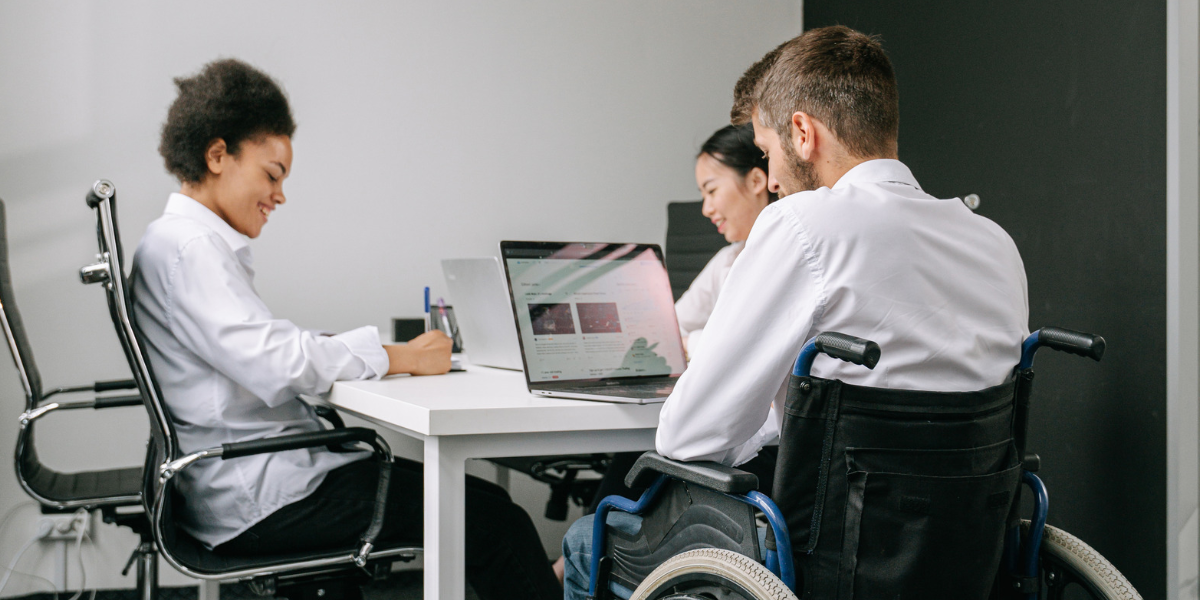
Employers should look at the whole journey, from the online application and interview to promotion and leadership. An application portal that fails to work with a screen reader can exclude a qualified candidate before anyone reads their CV. An adapted workstation, accessible software or a change in how an assessment is administered can give someone a fair chance to show what they can do.
People with disabilities also want to build businesses and employ others. Banks and public funding agencies should make their application processes accessible. Companies should open their supplier networks to disability-owned businesses and give them a fair chance to compete for contracts.
As we improve access to work and finance, we should make sure social assistance supports people through the transition into earning an income. The costs of accessible transport, personal assistance and assistive devices don’t disappear when someone starts working.
Government and business should report what their commitments deliver. How many people secured skilled jobs and progressed into management? How many businesses gained access to finance and won contracts? People with disabilities and their organisations should help set those measures and scrutinise the results.
A seat at the table
South Africa should advance the proposed disability rights legislation and give people with disabilities a direct role in shaping it. We live with the consequences of delayed decisions every day. We should also ask what it would take to elect more people with disabilities to councils and parliament.
What if we organised around a common platform with our families, allies and older South Africans who share many of the same concerns? We could put candidates forward and make accessibility an issue that parties have to answer for at election time.
It’s possible. If you ask me who I’d vote for, I’d take a blind candidate with vision, a deaf candidate who listens and a candidate who uses a wheelchair and walks their talk. South Africa could use more of all three.