
There are some exciting developments with brain-computer interfaces that are out of reach for Africa – unless it depends on its own talent and strengths
Doom-scrolling through X (formally Twitter), I found on a picture of a digital sketch. A simple, charming drawing of shapes and colours. It wasn’t the art that grabbed me. It was the artist.
The handle was @NeuraNova9, otherwise known as Audrey Crews. She wasn’t using a stylus or a mouse. She was using a Neuralink N1 implant to translate her neural intent directly into digital ink.
The Neuralink N1 is a fully implantable, wireless brain-computer interface (BCI) that allows the user to control computers, phones and other devices just by thinking. Seeing Audrey reclaim her creative autonomy was nothing short of miraculous. I just had to know more!
As an adaptive technology enthusiast looking at this from South Africa, I had to pump the brakes on my excitement. It dawned on me that the technology is incredible, but also incredibly exclusive.
We are talking about elective neurosurgery with a robot drilling a hole in your skull. The “foreign body response” and the sheer logistical burden of maintaining such a device make it a fragile solution.
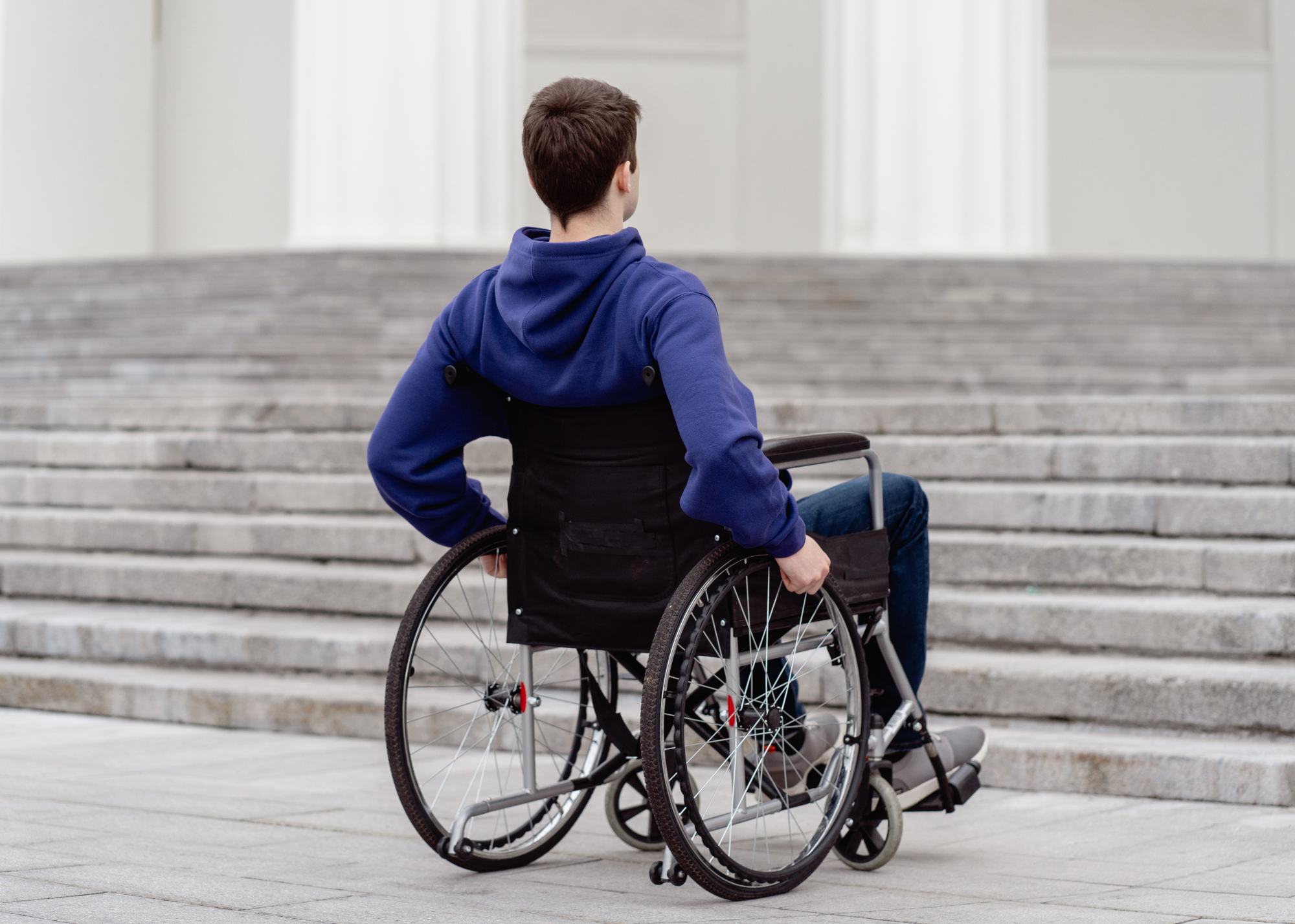
In South Africa, we have one of the highest rates of traumatic spinal cord injuries in the world driven largely by road accidents and interpersonal violence. For the vast majority of these patients, the public health system struggles to provide basic mobility aids, let alone experimental brain implants.
If the future of BCI requires millions of rands and neurosurgical suites, the “digital divide” will morph into a terrifying “biological divide”.
Yet, this isn’t a story about despair. South Africa doesn’t need to follow the same path as wealthier nations. We can chart our own course shaped by our unique constraints and strengths. Just as Africa leapfrogged landlines to build massive mobile networks, we can leapfrog invasive surgery in favour of AI-driven, non-invasive solutions.
The University of Cape Town (UCT) houses Africa’s only 128-channel high-resolution EEG facility with which they map cortical activity without breaking the skin. Wits University conceptualised a project called the “Brainternet” which streams brainwaves to the internet.
By combining the clinical expertise at UCT with the low-power AI research at the Wits MIND Institute, local startups could build headsets that offer 80 percent of Neuralink’s functionality for a fraction of the price. Imagine a headset that costs R5 000 instead of R500 000, powered by local algorithms, that clean up “noisy” signals to allow for cursor control and communication!
Africa has the talent to design, engineer and build these solutions. For South Africa, the future is in using our constraints to engineer a bridge to the future that everyone can cross – not just the wealthy and privileged.