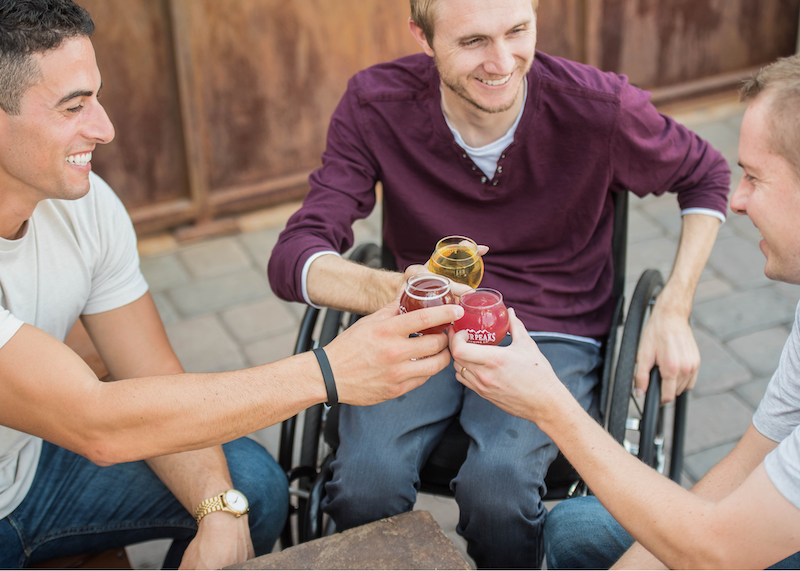
As the extended family or friends of people with disabilities, you can offer care and support without becoming overly involved
When a person suffers a major traumatic injury or just becomes too old to care for themselves, they need personal carers who support them in the activities of daily living. For non-professional carers such as family members or good friends, this is a massive learning curve during which mistakes are bound to happen.
This often allows for interfering, know-it-all busybodies to criticise and offer uncalled-for, irrelevant and irritating advice. Something that the carer or the cared-for do not need in their lives.
What carers and the cared-for do need are understanding and empathic friends who actively and positively support, listen and console. This is what caring from a distance is about; intermittent visits, assistance with shopping, shoulders to cry or vent on and so on.
Approach with compassion
Let’s start at the beginning. You become aware of a need, and you want to help.
and requires a sensitive compassionate approach. A domineering take-over, no matter how well intended, will get you nowhere. A plate of cookies or brownies given with a smile works wonders.
Please know, I am available if you need me, leaves the choice and sense of control of the situation in the hands of the persons you want to help. There is no threat to them.
Grow in the relationship
Establish a relationship by listening. An understanding of the circumstances comes from voluntary communication, not from interrogation. If the needs of a friend or family member become apparent, offer assistance, for example, shopping on behalf of the carer (usually a foremost need). As the relationship develops, needs and ways to support will become apparent spontaneously.
Learn more about the condition
To broaden your understanding of the disability of the cared-for person and the challenges of the day-to-day carer, do some research. Rolling Inspiration’s Deep Dive booklets are useful sources of information on various topics and “Today’s Caregiver” at www.caregiver.com is a useful source of caregiving information and challenges faced.
Remain a good friend
Make time to visit, but not necessarily in a caregiving capacity. Rather, visit as a friend. Play some card or board games. Or simply have a chat over a cup of tea.
This is a source of fun and it breaks the monotony and stress so often associated with caregiving. Such visits may also be planned to give the day-to-day caregiver some opportunities for me-time, including shopping opportunities.
Continue to show up
Once you have committed to offering support, make this a long-time commitment. Build on the friendship and persevere, especially when circumstances become tough.
Be prepared to listen and to be a shoulder to cry on. Avoid becoming a lay councillor with well-meaning but misplaced advice. Sitting with your friends or family when emotions pour out is often all that is needed.
See the signs of burnout
As an intermittent visitor, you will notice changes in the cared-for and the caregiver, more readily. The old adage of the frog in slowly warming water comes to mind. Slow changes often go unnoticed day to day, but are more readily spotted when seen as weekly “snap-shots” during visits.
If there is evidence of concern, have the courage of your conviction to act on it. Things to look out for include:
- Are there signs of weight loss and stress?
- Is there evidence of undue suspiciousness against friends and neighbours for “conspiring against them”?
- General appearance and neatness of the home and the persons.
- Give a reason to use the refrigerator and check if there is sufficient food.
- Is there an excessive number of unwashed dishes?
- Use the bathroom and check the general state.
- If an opportunity arises to do so, enquire if they need assistance with paying their bills.
The above are all signs of not coping. Approaching the caregiver and cared-for with your concerns requires circumspection and gentle kindness. Expect aggression at first and don’t react to it. Remain calm. Expect emotion and feelings of hopelessness and allow them to vent.
Work through their fear and anxiety and anger with them and once they have finally settled down, take stock of the major issues and work out solutions. Don’t get sucked in. Help where you are able to.
Remember that the situation is theirs to deal with and overcome. Help them to find their way and where necessary, seek assistance from professionals, religious leaders, communities or friends who can help with chores that fell by the wayside.
Every caregiver situation is unique in its dynamic and challenges but these guidelines, adapted to each situation will make the role of caring from a distance worthwhile.