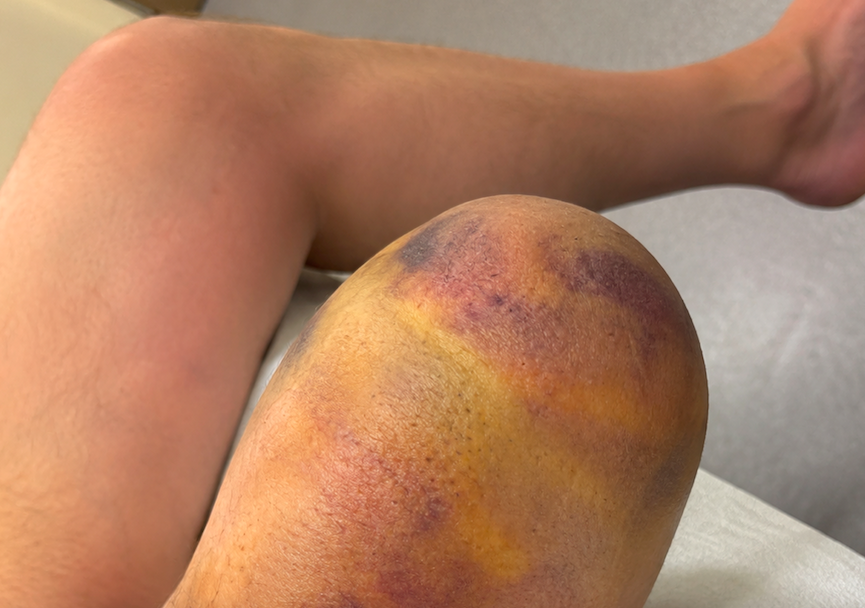
A poorly fitted, uncomfortable socket can greatly impact on quality of life and health
When people think about a prosthetic lower limb, they often focus on the foot, knee or the advanced technology involved, especially if they consult Dr Google. These components are important. However, the most critical part of any prosthesis is often the least visible: the prosthetic socket.
The socket connects the residual limb to the artificial limb. It serves as the interface between the body and the prosthesis. The comfort of the socket can determine whether a person enjoys an active, independent lifestyle or struggles with pain, skin breakdown and the activities of daily living.
A comfortable socket allows pressure to distribute evenly across the residual limb. When the fit is correct, walking requires less effort, balance improves, and the risk of skin breakdown is reduced. On the other hand, even a small area of excessive pressure can lead to discomfort, blisters, skin irritation and wounds that prevent the user from wearing their prosthesis.
Surgical stump revision may become necessary if the issue persists. The reality is simple. The most advanced prosthetic foot or knee cannot compensate for an uncomfortable socket. Comfort is the foundation of a successful prosthesis.
Socket fit can change over time. Factors such as weight fluctuations, age, muscle changes and atrophy (shrinkage), activity levels, and even the weather can affect the volume and shape of the residual limb. A perfectly fitted socket from a year ago may no longer provide the same level of comfort today.
Many of the complications of an uncomfortable socket can be avoided by taking the following steps:
- When fitting a new or first-time prosthesis, an extended test fitting protocol must be followed to iron out pressure spots and volume fluctuations before the final socket is made. This could take a couple of weeks, but the extended time doesn’t matter at all, you have a working test prosthesis from day one, just follow a proper fitting protocol.
- The prosthetist should teach the patient how to deal with and adjust the leg at home for comfort and deal with and avoid complications. This sounds simple but remember that there are many solutions for every complication and the more knowledge you have the better.
- The prosthetist should be readily available during this test socket phase because communication is vital.
- Final sockets should be manufactured so that they are adjustable in the near future. Non-adjustable hard final sockets limit problem solving, different solutions and further adjustment.
Socket comfort is not that hard to achieve. Take the time to do it properly! If a little love, time and care are invested in the process, it can work almost every time.