
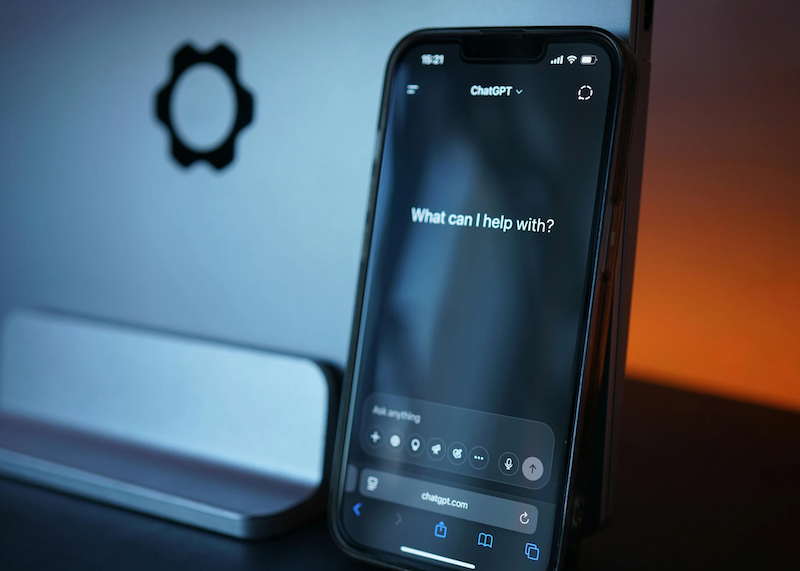
Artificial intelligence subscriptions can simplify tasks, but does require some caution
When deciding on an artificial intelligence (AI) subscription, I ask a fairly practical question: Does this tool help me do something worthwhile with less effort?
For people with disabilities, this question carries considerable weight. A task that takes one person 10 minutes may require someone else to manage fatigue, difficult keyboard access, inaccessible information or several rounds of asking for assistance. Reducing that effort can create space for work, learning and participation.
I pay for ChatGPT Plus largely because I am a software programmer. I also use Gemini through Google AI Pro with the South African student offer discounting the cost. These serve different purposes for me. Owning more than one AI tool is not a requirement.
What matters is understanding the help you need, what the tools offer and whether its contribution justifies the expense.
Value and Pitfalls
Programming exposes the value and the weaknesses of AI. A coding assistant can suggest an approach, explain unfamiliar code or help investigate a fault.
However, a generated solution that appears to work is not necessarily reliable. It may fail when someone enters unexpected information. It may introduce security problems or create difficulties for people using assistive technology.
My responsibility doesn’t disappear because a machine produced the code. I still need to understand the problem, inspect the result and test what happens beyond the easiest example.
This distinction applies far beyond programming. Someone can produce an impressive business proposal without understanding the figures. A student can receive a convincing explanation without recognising that a key fact is wrong. A beautifully written letter can confidently refer to a policy that does not exist.
The output looks finished and that can encourage us to believe that the thinking is finished too. We may feel knowledgeable because we can repeat an answer, even when we cannot explain it or recognise when it stops being useful. This is a risk for anyone using AI.
Disability does not make a person less capable of judgement. However, when a tool removes a barrier that has been frustrating us for years, it is understandable that we might be eager to trust it.
Checking and Learning
The answer is to build checking and learning into the way we use AI. After receiving an explanation, ask for a concrete example and try to explain the idea back in your own words. Ask what assumptions the answer depends on.
Where factual accuracy matters, open the original source and check whether it actually supports the claim. Asking a second chatbot can reveal a disagreement worth investigating. However, two systems agreeing does not prove that either is correct.
Conversational AI
Conversation AI allows you to keep working through an idea. It can help give shape to what someone is trying to say. For a person who finds writing physically demanding, this could reduce some of the effort involved in preparing a message or organising a document.
For someone who becomes overwhelmed by a complicated task, it could provide a manageable starting point by breaking an assignment into smaller steps. It could turn rough notes into a clear e-mail or explain unfamiliar terms in everyday language.
Giving Instruction
The way we give instructions matters. “Help me with this document” leaves considerable room for guessing. A more useful request might be: “Explain this document in plain language, keep all the dates and conditions, and separate what it says from anything you are assuming.”
Someone managing fatigue could add: “Give me one step at a time and wait for me before continuing.” These instructions do not guarantee accuracy. They make the response easier to work with and check. Learning to describe the support you need is more valuable than memorising a collection of supposedly perfect prompts.
Testing for Real Accessibility
Accessibility must be judged individually. Speaking may be easier than typing for one person, while another needs reliable text input. A blind user might consider how the interface works with a screen reader. Someone with limited hand movement may depend on switch access. A feature described as convenient is only useful if the person can actually operate it.
Before paying, I would encourage readers to try a real task using their own device and normal access method. Notice the whole process, including correcting a mistake, finding an earlier conversation and saving the result. An impressive demonstration tells us less than completing an ordinary task on a difficult day.
Financial Considerations
There is also a financial reality to consider here in South Africa. A subscription competes with data, transport, electricity and other essential expenses.
My student discount affects what Gemini costs me. Google’s student offers have eligibility requirements, and readers should check the offer available to their own account, including what happens when any promotional period ends.
For either service, look at the amount you will actually be charged and the limits attached to the plan. Start with a recurring problem you want to solve.
Try the access already available to you, measure how much useful effort it saves and consider upgrading only when you can identify the benefit. Saving 10 minutes of exhausting input may be more valuable than generating 50 pages nobody needs.
Prioritising Privacy
Privacy belongs in this calculation too. A request for help does not require sharing your identity number, full medical history or somebody else’s personal details. Remove information that is unnecessary for the task and understand the service’s privacy settings before sharing sensitive material.
Practical training should cover these judgements alongside the buttons and features. It should help people recognise uncertainty, check a source, protect personal information and decide when the tool is making a task harder. It should also leave room for different disabilities, levels of experience and ways of communicating.
Employers, educators and service providers retain their responsibility to make their systems accessible. Giving someone a chatbot does not repair an inaccessible application form or excuse a website that cannot be used with a keyboard.
For me, the value of these subscriptions rests on whether they support useful work and better decisions. For people with disabilities, the possibilities extend into everyday communication, study and employment.
Real progress means being able to participate with greater control, while understanding where the tool’s contribution ends and our own judgement must take over.
If you would like help choosing an AI tool, understanding your subscription or learning to use these systems effectively, please reach out to me. I can help with practical guidance and training shaped around your needs, so that the confidence you gain is supported by understanding and useful skills.