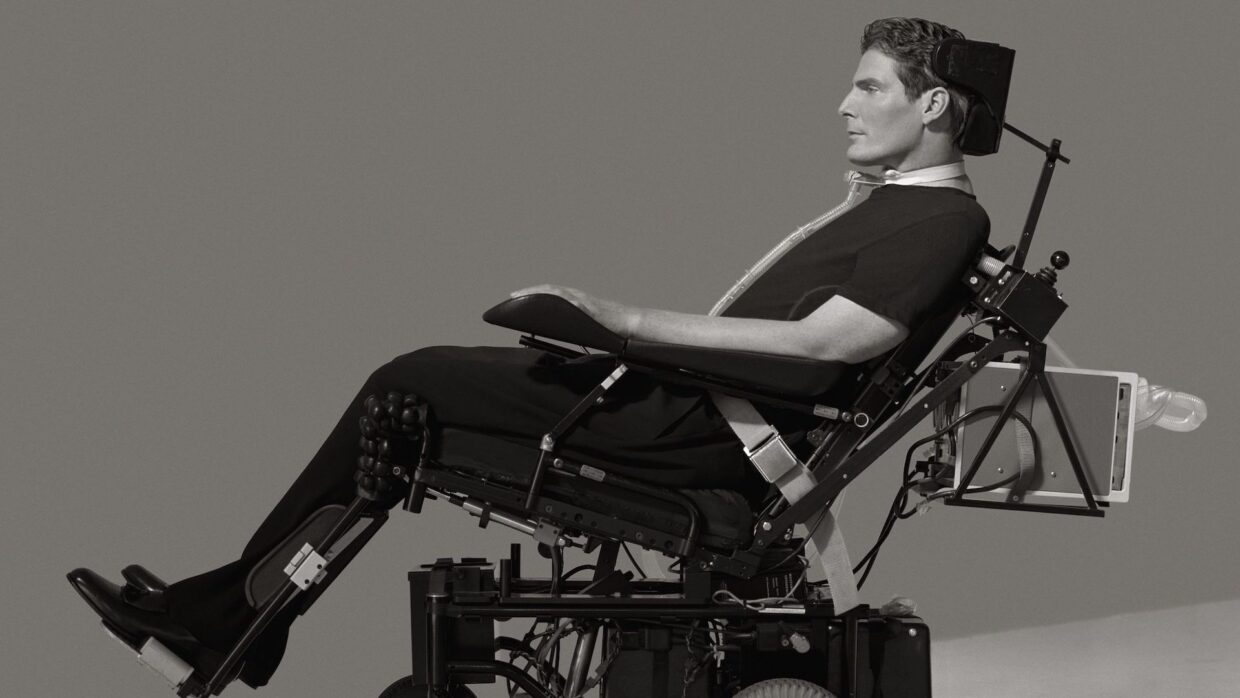

Acknowledging that you can still be desirable to your partner even when your body looks and operates different is key to sexual confidence
Sexual self-esteem and body image are deeply intertwined with our sense of identity, confidence, and connection with others. After a spinal cord injury (SCI), these aspects can be profoundly affected. Changes in mobility, sensation, and appearance may challenge pre-existing beliefs about attractiveness and desirability.
However, sexual confidence is not solely dependent on physical function. It is built through self-perception, emotional connection and redefining what it means to be a sexual being. While many discussions around SCI and sexuality focus on mechanics, an equally important journey is learning to see yourself as sexually desirable again.
Redefining attractiveness
One of the first psychological hurdles after an SCI is shifting the way you define attractiveness. Society often equates desirability with physical ability, symmetry, and conventional standards of beauty
When SCI alters aspects of appearance or bodily function, it can lead to feelings of insecurity or detachment from one’s sexual self. Many people struggle with seeing their body as “broken” or “less than” what it was before. However, sexual attractiveness is far more complex.
Confidence, personality and emotional connection play a massive role in desirability, sometimes more than physical traits alone. The way you feel about yourself directly influences how others perceive you.
Avoiding comparison
The role of social comparison is also significant in shaping body image. It is natural to compare yourself to others, but unrealistic comparisons – especially to able-bodied ideals can erode self-worth. Social media and mainstream portrayals of beauty often fail to include diverse bodies, leaving people with disabilities feeling invisible.
Surrounding yourself with diverse and realistic representations of beauty, including people with SCI embracing their sexuality, can help shift perspective. Engaging with SCI communities, disability- positive media, and individuals who confidently own their sexuality can be incredibly validating.
Revisiting partner dynamics
Partner dynamics also influence sexual self-esteem. Some people worry about whether their partner will still find them attractive or whether they can meet their partner’s needs. Open communication is essential. Desire is rarely just about physical ability.
Emotional connection, trust, and creativity in intimacy are just as important. Many partners report that intimacy deepens after an SCI because it encourages greater emotional vulnerability and communication.
When dating, confidence plays an important role in attracting potential partners. People are drawn to those who are comfortable with themselves and embracing your sexuality can make a profound difference in how you engage with others.
Ultimately, sexual self-esteem after SCI is about redefining attractiveness on your own terms. It is a process of self-acceptance, exploration and shifting focus from loss to possibility. Confidence is not about what your body can or cannot do, it is about owning your worth as a sexual, desirable person.