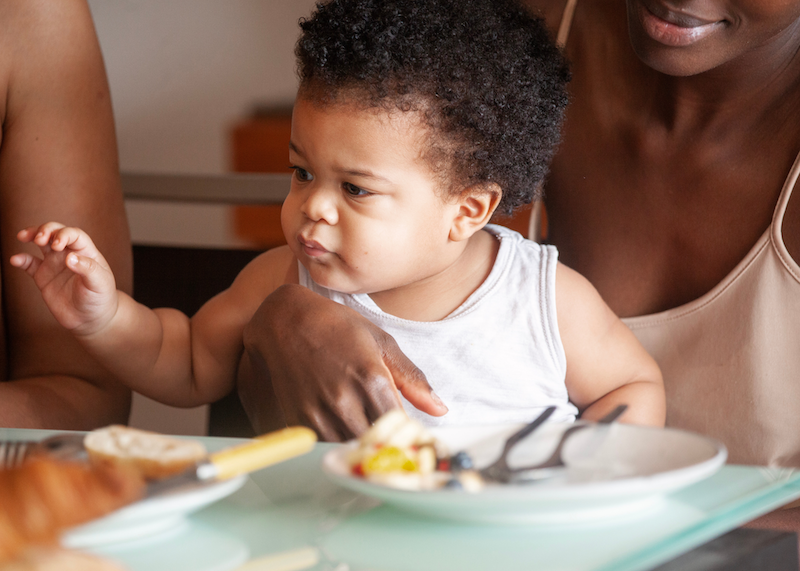
There are some creative and fun ways to encourage children to try new foods, especially if mealtimes are challenging
Food, feeding and eating can be anxiety provoking for families with children with disabilities. Many kids are “fussy” eaters. They don’t like new food textures, colours or tastes. Others have difficulty chewing and swallowing. They are unable to feed themselves or require adapted utensils like sporks (a combined fork and spoon) or modified hand grips.
They take longer to eat or are nasogastric-tube or percutaneous endoscopic gastrostomy-fed. Finding ways to make this daily activity more fun can help ease some of the anxiety.
Freedom of choice
For many children with disabilities, all decisions around their care are made by parents, healthcare providers and therapists. This includes food! They have no control or choice. This sometimes leads to frustration.
You might want to provide your child with choices for food options. For example, give them two options of food that you may have in your house or that fit with their calorie requirements for example.
Obviously, you would need to provide options that are suitable, but giving them the choice may help them feel in control. Some children can verbally tell you what food they would like. Others may be able to point, gesture or look and confirm which choice they would prefer.
Eating together
In many cultures, family eating meals together is central to their days. For many of us with children with disabilities, we don’t eat as a family. Rather, the priority is getting food into our children while we eat on the go.
Research shows that children are more likely to try new foods and eat a variety of different textures and flavours if they see others eating the same food. Children in playschool often eat foods at school that they would never eat at home because their friends are eating it! Eating around friends or family makes eating a social occasion and the pressure around food is reduced.
Variety in diet
For some children, eating the same food makes them feel safe. However, not exposing them to a range of colours, textures and flavours from an early age, can lead to them not wanting to try new food or getting a balanced diet.
Research shows that children need to be exposed to food multiple times (up to 10 or 15 times) before the child accepts it. Sometimes, we try a food like butternut or sweet potato with our child once; the food is pushed away, spat out or refused, and we give up.
Rather, try the same food again in a few days or weeks. Mix or serve the new food with food that they do like and keep persevering. For some children, putting the new food into their mouths is a big challenge.
You might want to try the following (using the example of peas), and remembering their age and abilities:
- Give them a fork and encourage them to mash the peas.
- Let them let them squish cooked peas with their fingers.
- Get them to “help” you hide the peas into mash potato.
- Show them how to shell raw peas from the pod and encourage them to taste.
- Blend the peas into a puree and let them play and smear them.
The more they play, smell, touch and move the food, the more likely they are to taste it. Don’t force, bribe or nag children to eat as this may increase their resistance.
Relieve the pressure
My young son refused to eat due to severe reflux and allergies that made him associate certain foods with pain. I was so anxious that he wouldn’t get enough calories; that he’d would lose weight and fail to thrive. I would become desperate for him to eat. He picked up on my anxiety.
A friend popped over one afternoon and volunteered to feed him. Her relaxed attitude reduced the anxiety and stress. My little one tried food that he had refused to take from me. While I know that this isn’t always practical, you might want to find your own way to reduce your own anxiety around food.
Snacks and small portions
For some children, sitting down and eating a regular sized meal is impossible. Here you might want to provide snacks or break portions into smaller amounts. You can make eating fun by placing different snacks and food in different brightly coloured containers. For example, place a cut up banana in a small plastic Tupperware that they open.
That way, they can decide which they want to eat first and opening the lids becomes part of the process. They have a little control and involvement.
Give them structure
Try to maintain regular, predictable meal and snack times to help children manage their own hunger. For some children, routine is vital due to their disability or medication regimes.
Keeping things the same is important. Encourage them to be an active participant in this process. For example, get them to collect their own spoon or fork, help set the table, bring you their plate each and every day.
Get them involved
Let children help with food shopping. They could physically take items off the shelf or point to the item. Also get them involved in preparing the food like washing fruits and vegetables, cutting, peeling or grating ingredients, mixing and pouring, or even stirring food on the stove.
Often, parents are afraid of children hurting or burning themselves. Try build up their skills and confidence slowly as we eventually want them to be as independent as possible. Their involvement in the shopping, preparation and cooking will help build up their ownership of food and cooking.
The more involved they are, the less pressure they experience around food, and the more likely they are to try new food!