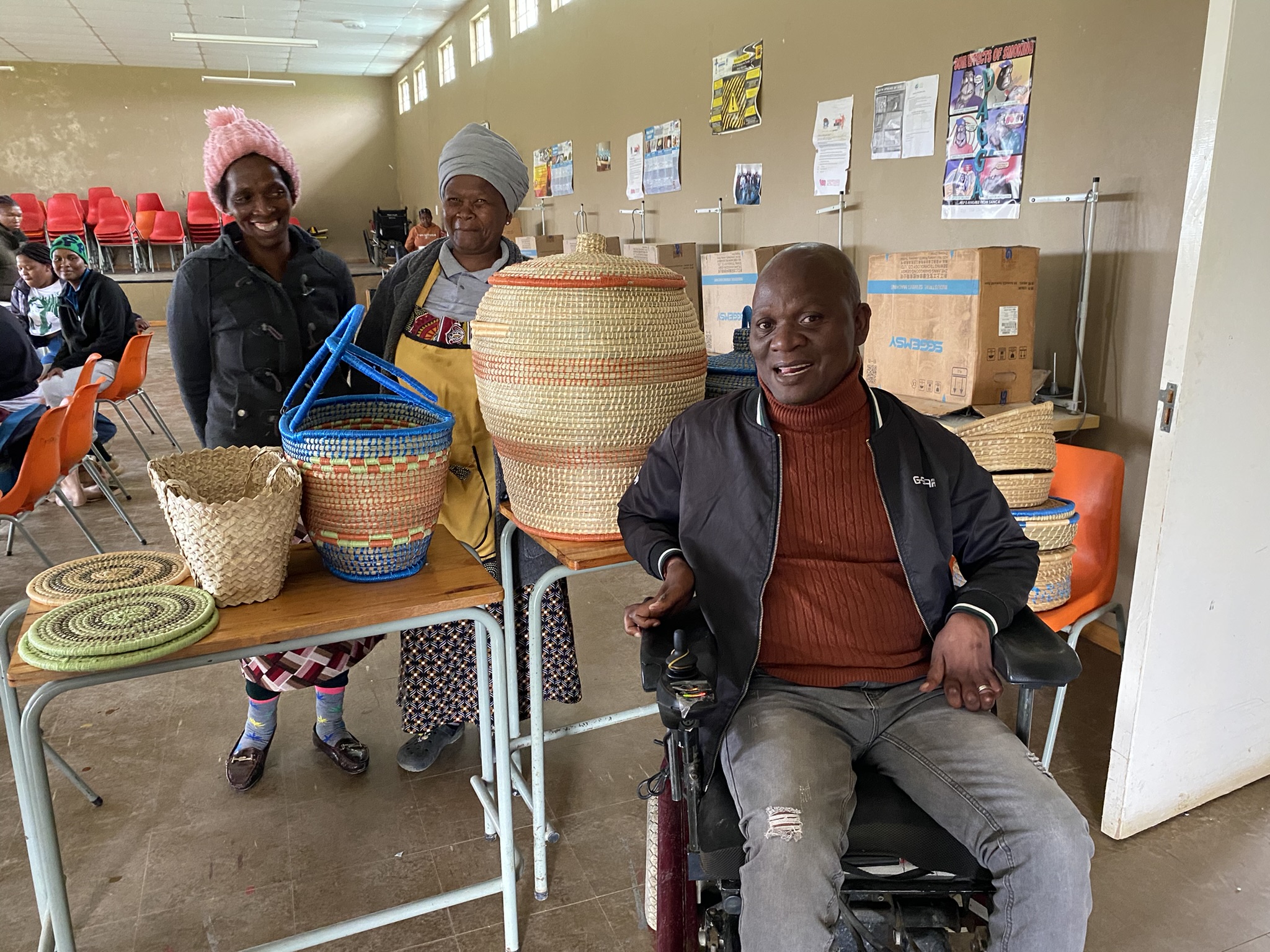
Chronic fatigue can be debilitating, but fortunately, there are ways to reduce the impact of fatigue
For many people, fatigue is more than just “feeling tired”. It’s a chronic, often invisible barrier that affects every part of daily life. Unlike the exhaustion you can sleep off after a long day, fatigue builds up quickly, lingers, and can feel unpredictable.
The good news is that there are practical ways to reduce the impact of fatigue. With the right strategies, you can stretch your energy further, get more done, and most importantly, feel more in control. Whether your fatigue stems from a medical condition, medications or just the effort of navigating a world that’s not always accessible, these strategies can help.
Conserve energy
Use the four Ps of energy conservation:
Prioritise – Ask yourself what needs to be done today; what can wait; and what can be done by someone else. This isn’t about doing less. It’s about doing what matters most to you (physically and emotionally). That could mean skipping non-essential chores to have energy to meet a friend. Consider making a “must-do” and a “nice-to-do” list at the start of your day.
Plan – Combine tasks where possible. If you’re heading to the kitchen to make tea, bring dishes with you or wipe down the counter while you wait for the kettle to boil. Group errands or activities in the same location. Planning ahead reduces unnecessary movement and saves your energy resources.
Pace – Slow and steady wins the race. Break up larger tasks into small and manageable steps. Ensure to take regular breaks even when you feel “fine”. The trick is to rest before you crash. Overexertion often causes a longer recovery time and may cost you more tomorrow. A timer or an alarm could be a great tool. Try 25 minutes of activity followed by five to 10 minutes of rest. Adjust this according to your body’s signals.
Position – Modify your environment so that your body doesn’t have to work so hard. Keep frequently used items within arm’s reach and use both hands when lifting or carrying items. Consider sitting while cooking or grooming to reduce effort if you can move independent from a wheelchair.
Use what works for you
There is no shame in using assistive devices or adaptations if they help protect your body and extend your energy. Here are some useful aids and adaptations for daily tasks:
- Dressing – A reacher, dressing stick, sock aid or button hook can be useful.
- Showering – Consider a shower chair, grab rails or handheld shower.
- Bedroom – Place essentials within easy reach of your bed and use a bed rail.
- Kitchen – Jar openers, lightweight cookware, electric can openers can assist to conserve energy along with a rolling cart to transport items across the kitchen in one trip or storing daily-use items where they are easily accessible.
- Cleaning – Using lightweight and long- handled tools and wheeled laundry basket as well as spreading chores out across the week instead of cramming them into one day can be helpful.
Remember that these tools do not make you dependent. They make you efficient.
Respect your energy rhythms
Everyone has up and down times in their day. Pay attention to when you feel most alert or most drained. Some people are sharpest in the morning and crash by the afternoon. Others may feel sluggish after lunch but gain energy in the early evening. Use this rhythm to your advantage. Schedule high-effort activities for when you feel most energised, and quieter tasks for your lower-energy periods.
Rest is essential
Rest doesn’t equate laziness. It means recharging your battery so you can keep going. The kind of rest that helps with fatigue is not always sleep. Sometimes it’s quiet time, meditation, gentle stretching or a sensory break. Even 10 minutes with your eyes closed, soft music playing, or deep breathing can make a difference. Plan for rest like you plan for meals. Put it in your routine, not just as a fallback.
Fuel wisely
Nutrition and hydration affect your energy just as much as rest and movement. Dehydration, skipped meals or sugary crashes can intensify fatigue. Keep a water bottle nearby. Snack on protein-rich foods like nuts, biltong, yoghurt or boiled eggs. Avoid long gaps between meals. You can also prep energy-friendly snacks at the start of the week, so you don’t need to scramble on low-energy days.
Communicate your limits
It can be hard to say “no” or ask for help, especially when your fatigue isn’t visible. However, communicating your needs clearly helps others to support you and protects your energy reserves. Try phrases like: “I’d love to join, but I’ll need to rest partway through”; “I’m managing my energy today, so I can only stay an hour”; or “Can we do a seated activity instead?”.
Smarter way to live
Fatigue may always be part of your life, but it doesn’t have to control it. Living with chronic fatigue doesn’t mean giving up on independence or enjoyment. It means being strategic; learning when to push, when to pause and how to shape your environment and habits so they support you rather than drain you.
The goal isn’t to “keep up” with others. It’s to keep going on your own terms. Try just one new strategy this week and notice how your body responds. Small changes can lead to big breakthroughs over time.